- Deepak's Newsletter
- Posts
- ⏱️✨ Learning When Your Time Is Fragmented
⏱️✨ Learning When Your Time Is Fragmented
Deepak's Newsletter: Episode 51

Deepak Maharaj
March 01, 2026
Ehm Academy | March 2026 🧠
Why consistency beats intensity
One of the most common frustrations I hear—in medicine, with friends, family— sounds like this:
“I know what I should do… I just don’t have the time.”
Between school, activities, work, family responsibilities—and life—many students (and parents) feel like meaningful learning requires perfect, uninterrupted blocks of time.
Here’s the reframe I want to share:
Fragmented time is not a disadvantage. It’s the default.
And when used correctly, it can still compound.
In medicine and higher education at large, learning is just a day-to-day part of the lifestyle, and it can be for you too!
🧭 The “perfect study session” (it’s not reality)
We tend to imagine learning like this:
quiet room
long stretch of time
total focus
zero interruptions
That version exists… rarely.
In real life, learning usually happens in:
15–20 minute windows
between obligations
with imperfect focus
The mistake isn’t having fragmented time.
The mistake is waiting for ideal conditions that never arrive.
I’ve recently been listening/reading/watching content from Dan Martell. And I really like this ONE thing he does to start his day: read 10 pages of anything, that’s it.
🧠 A long-term way to think about this
One of the most useful principles I personally use, and we teach at Ehm Academy is:
Consistency beats intensity.
Small, repeated effort actually builds skill.
Short sessions allow the brain to:
retrieve information
strengthen memory
reduce overwhelm
build confidence
This is how learning compounds quietly over time 🌱
🛠️ High-leverage studying (even in short bursts)
When time is limited, we focus on leverage, not volume.
Instead of asking:
“How long can I study?”
We ask:
“What’s the one thing that moves learning forward today?”
Examples:
one practice problem, slowly and thoughtfully
one concept explained out loud
one mistake analyzed and understood
Ten focused minutes done consistently will outperform an hour done occasionally.
🔬 A simple experiment for this month
For the next two weeks:
Set a 15-minute timer
Choose one clear task
Stop when the timer ends (even if it feels unfinished)
You’re training your brain to trust the system—not chase motivation.
🔑 This month’s takeaway
You don’t need more time. You need a system that works with the time you have.
Calm effort compounds.
Scattered intensity does not.
This applies to students, parents, professionals—and yes, even new dads running on very little sleep ☕😅
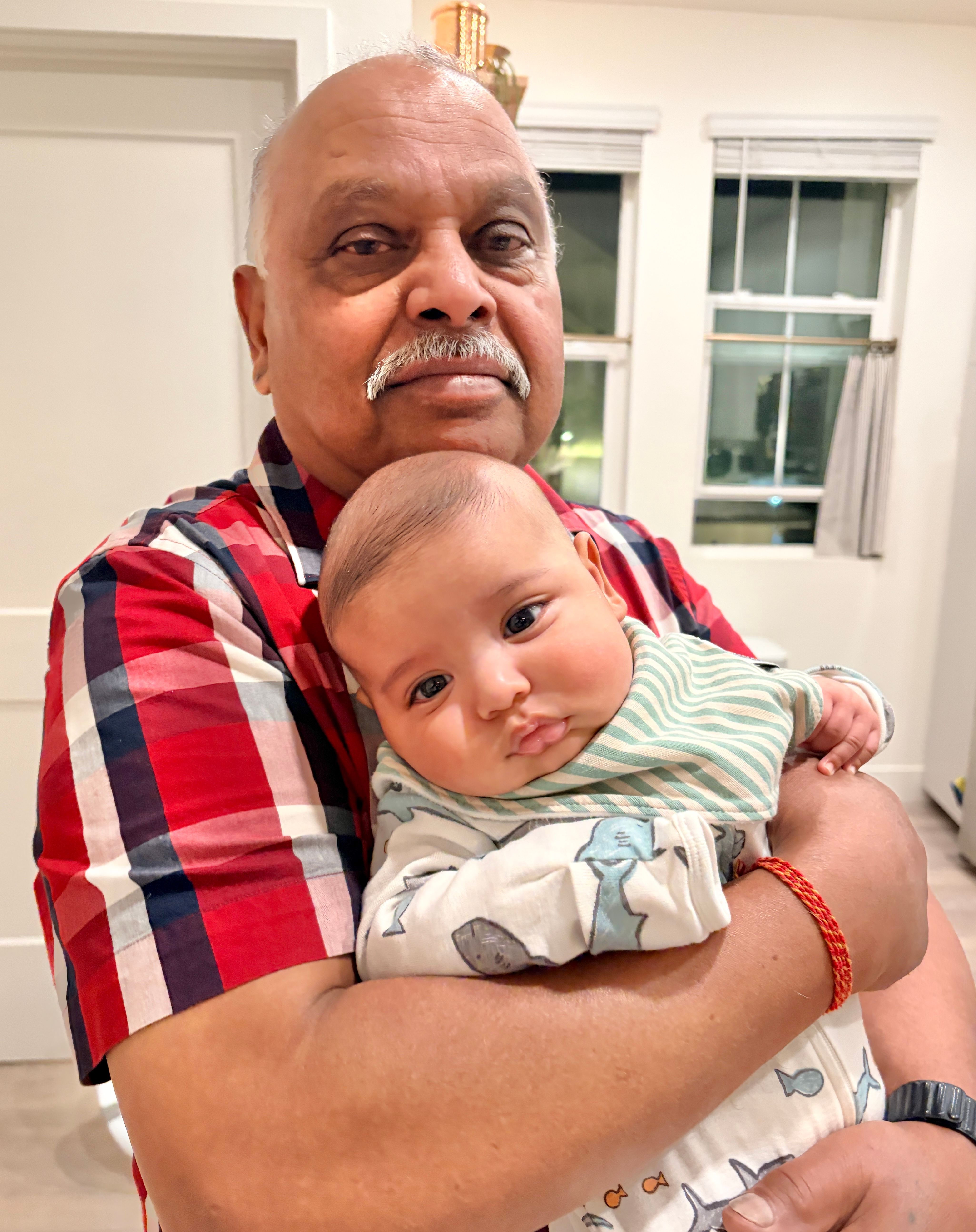
Speaking of, check out my baby boy with his Grandpa’s—my favorite pics this month!

🔭 Looking ahead
Next month, I want to share motivation vs systems—and why waiting to “feel ready” is one of the biggest obstacles to learning progress!
Thank you for being here, and ill write next month!
— Deepak
Currently:
📖 : Reading | 👀: watching/listening | 🎵: song of the week | 💬 : Quote of the Week
📖 : The Martell Method by Dan Martell
👀 : A Knight of the Seven Kingdoms- HBO
🎵 : The Absent Sea- Meltt
💬 : “Growth happens when you get uncomfortable on purpose.” -Dan Martell